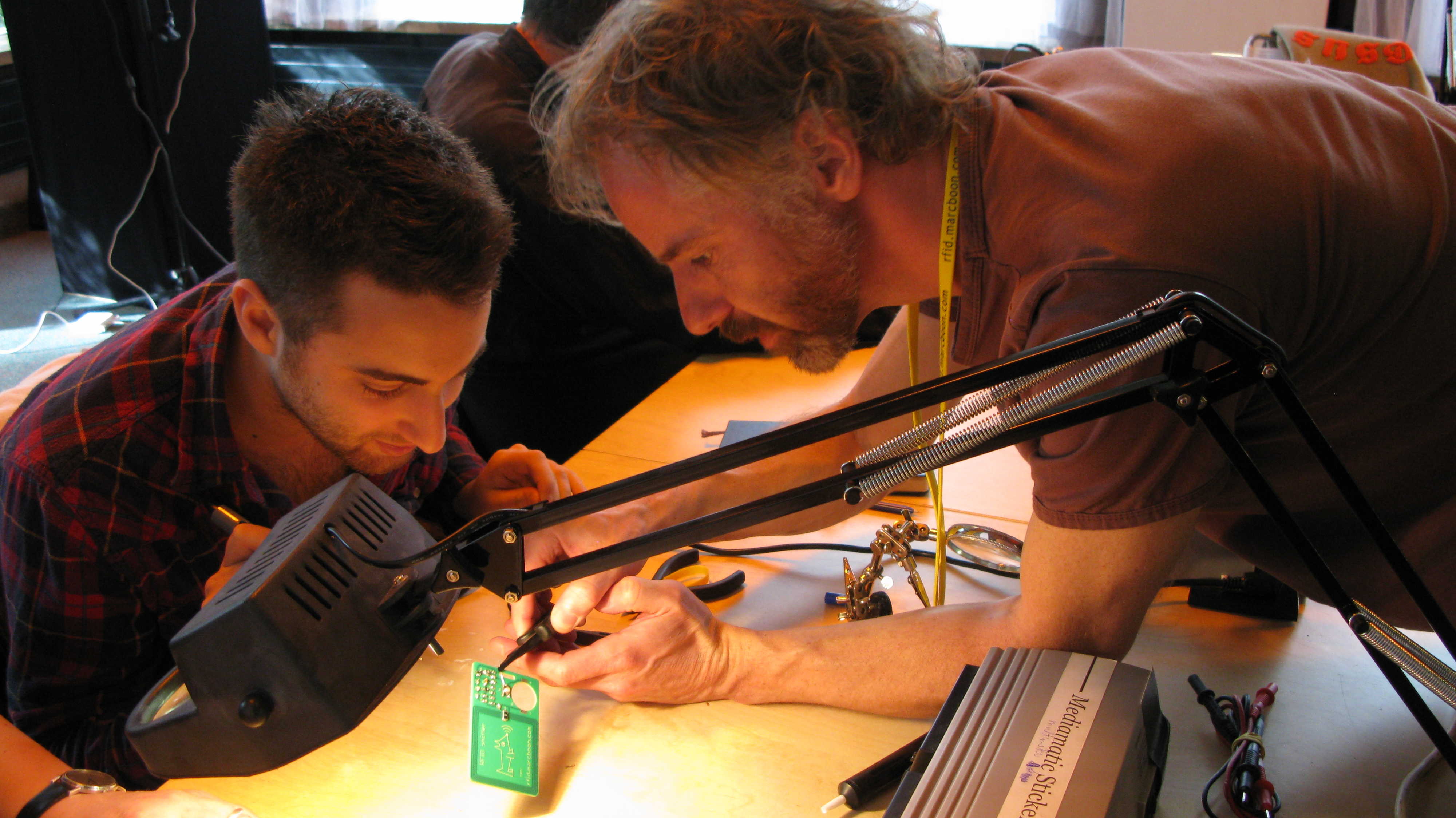
Our host being the mild-mannered and smiling Marc Boon, who turned up at Mediamatic Bank wearing a retro zip-up and a thick beard. The kind of look that says, give me a piece of copper wire and I’ll turn your keychain into a mobile phone in five minutes flat.
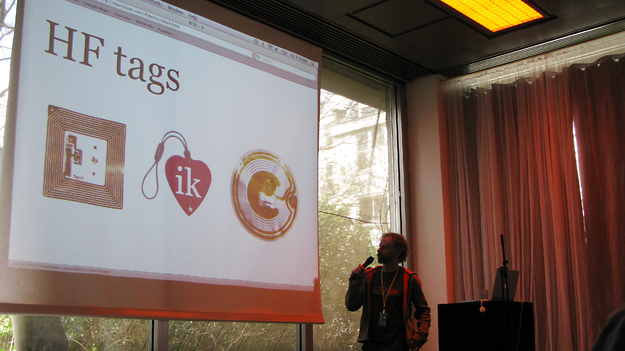
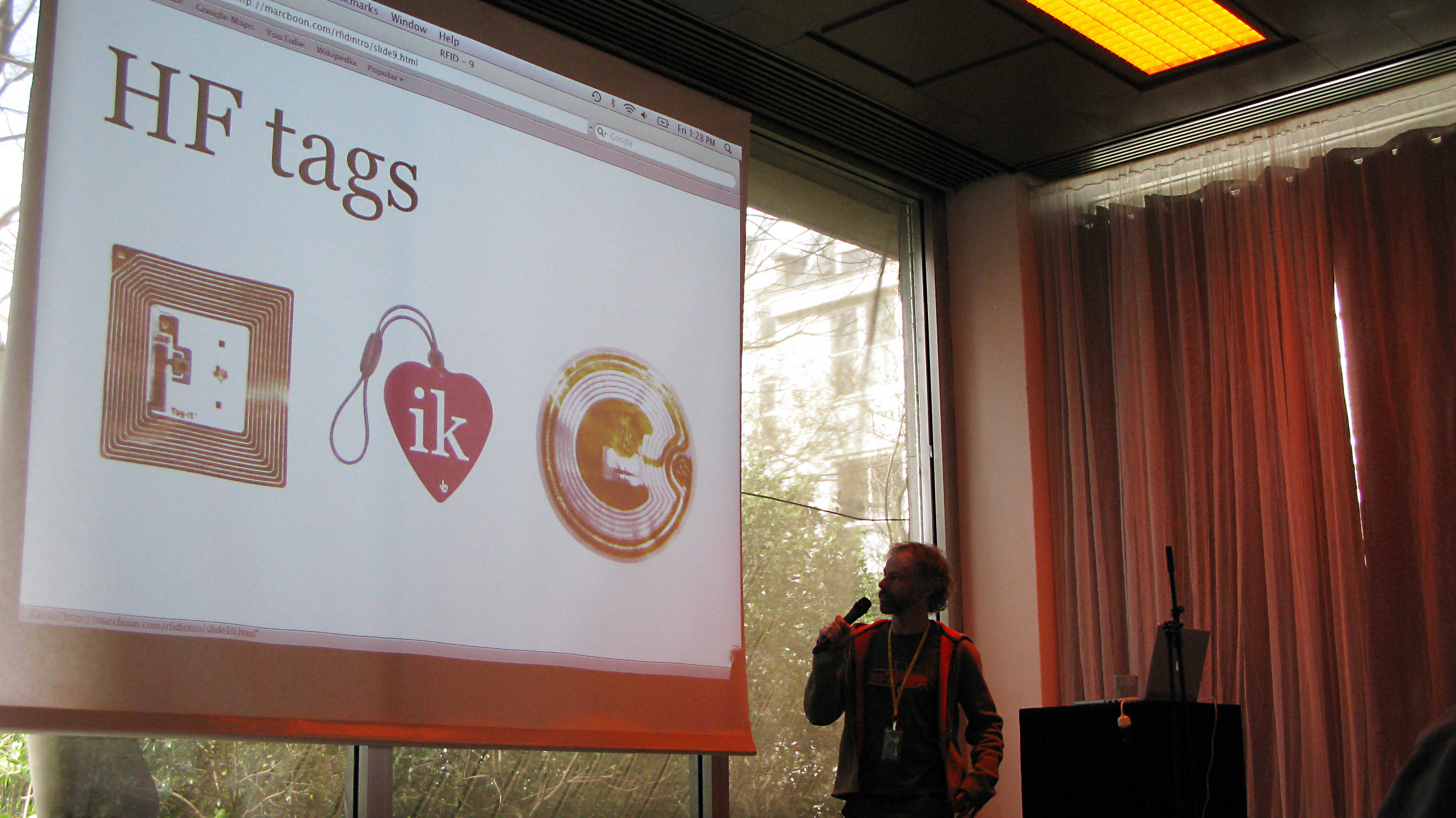
Marc travels the Netherlands on various RFID-related events. This was his third ‘RFID workshop’, but his first with Mediamatic. ‘RFID is everywhere,’ says Marc, though without the tone of alarm that would make him sound like a conspiracy theorist. ‘They’re in access badges, bank cards, library cards, loyalty cards, books, toys and even clothing.’
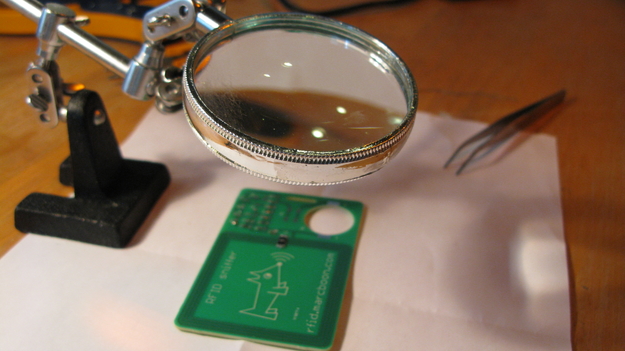
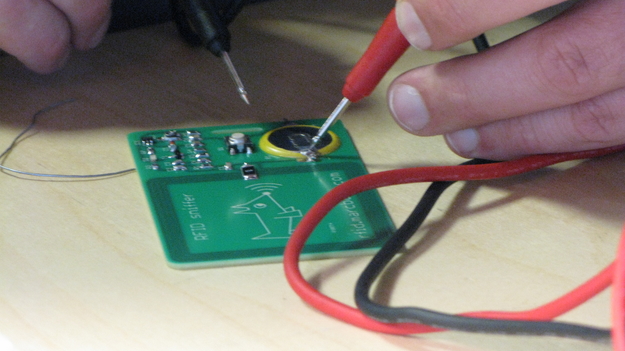
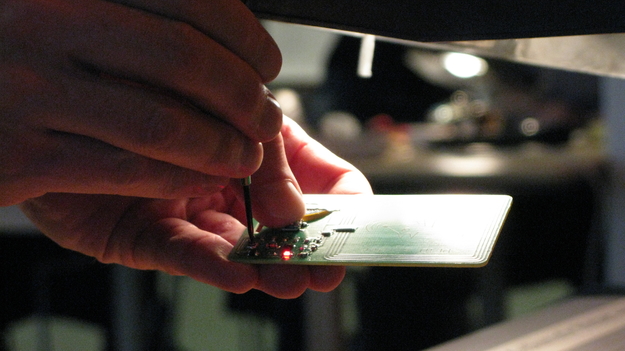
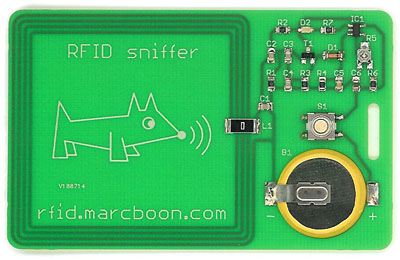
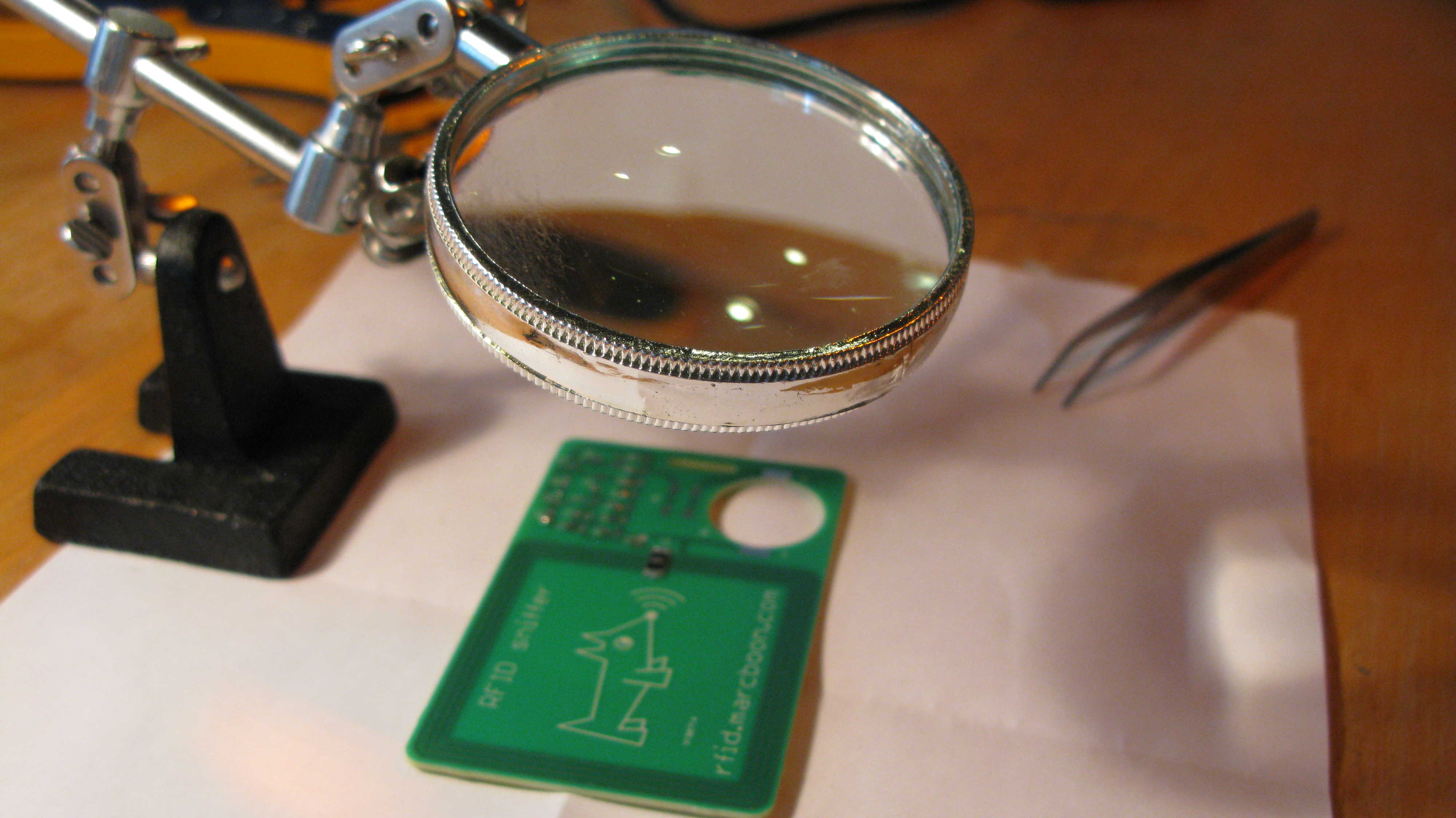
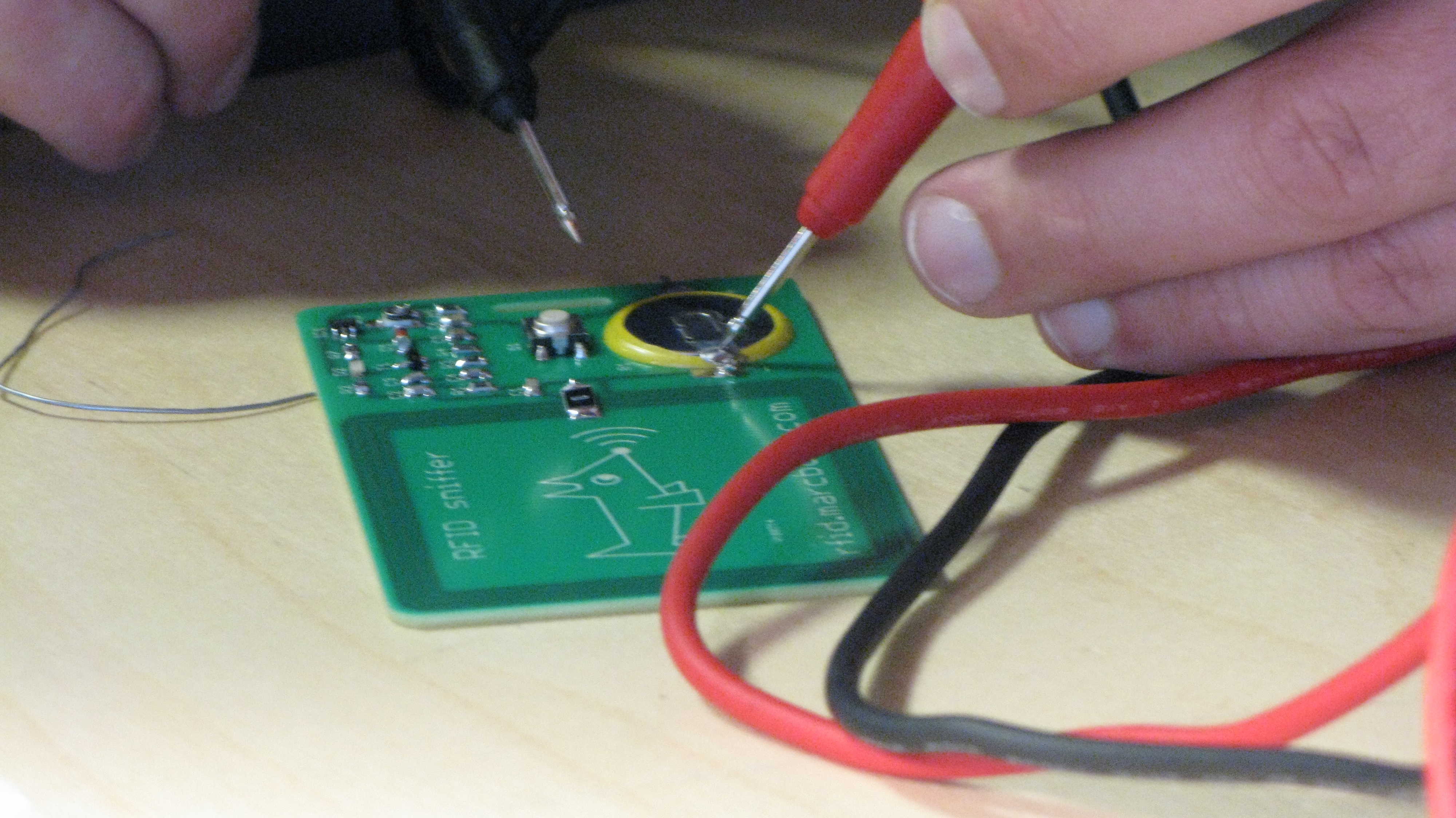
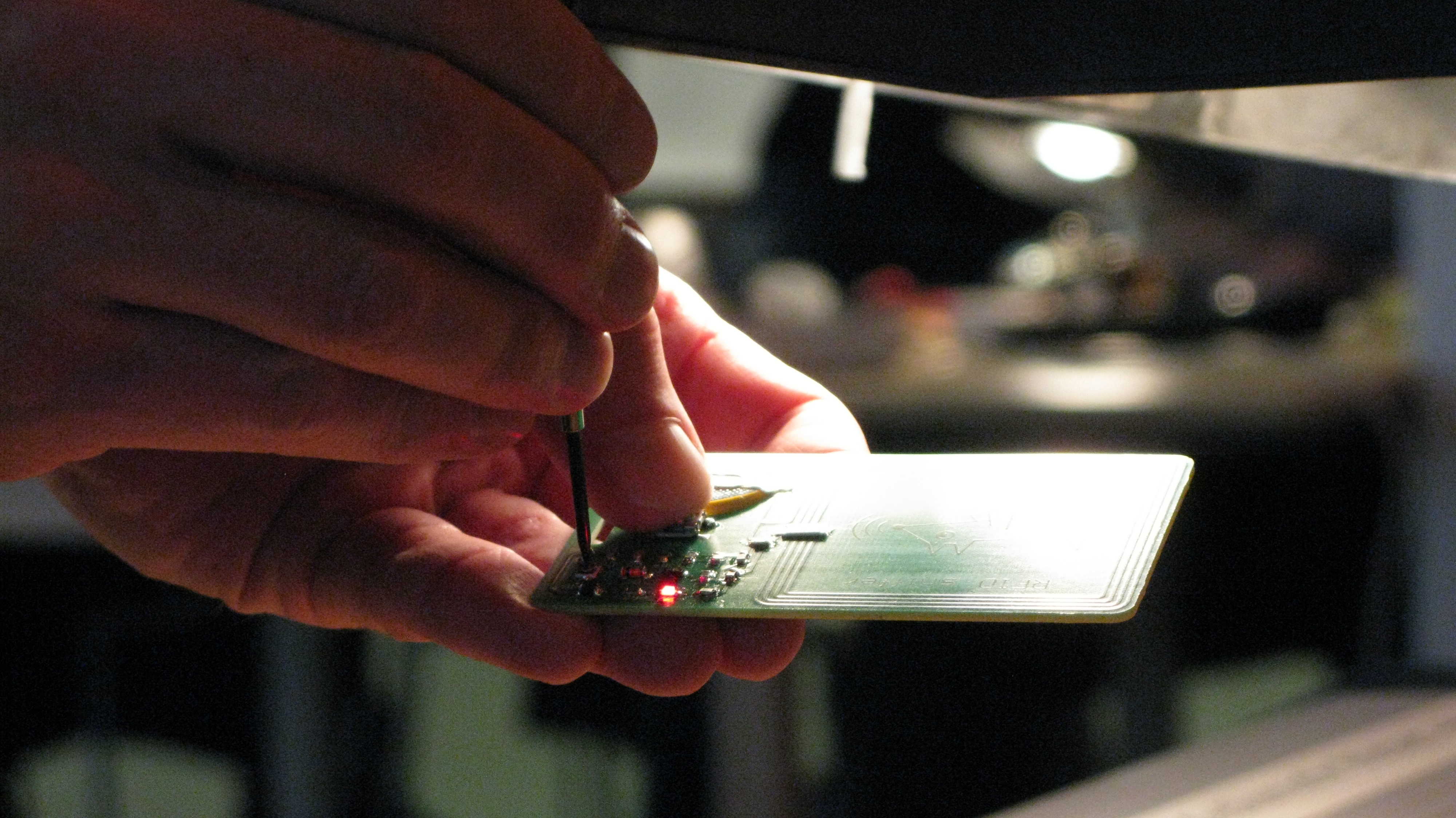
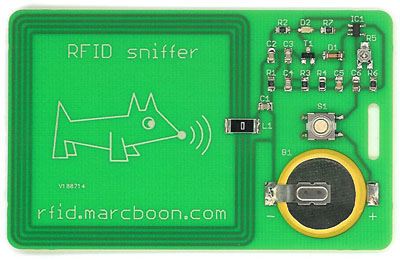
RFID stands for Radio Frequency Identification. Objects that are tagged transmit unique codes that can be used to identify individuals with, as well as without, their consent. Marc’s workshop teaches participants how to build an RFID ‘sniffer’: a credit-card sized circuit board emblazoned with the outline of a dog. Press the button, and a small LED on the circuit will glow when it is in the presence of an RFID-tagged object.
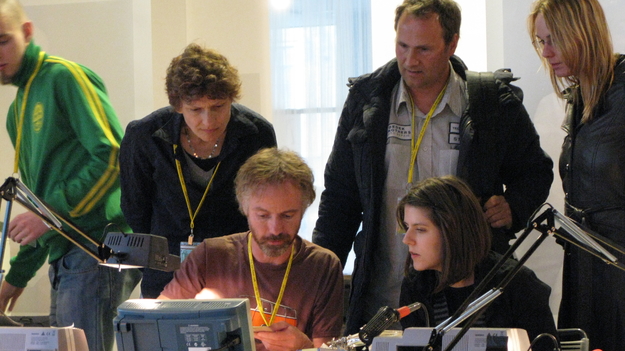
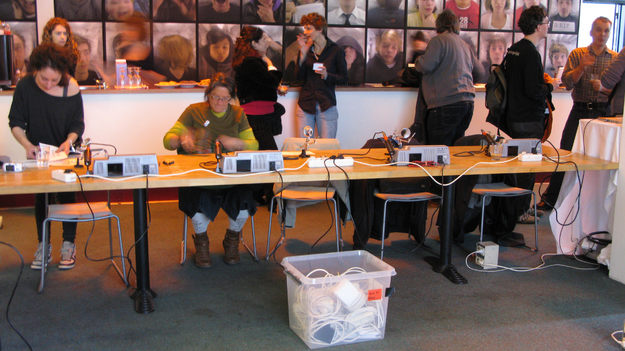
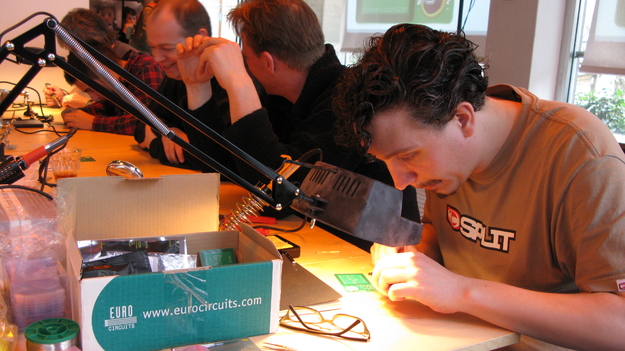
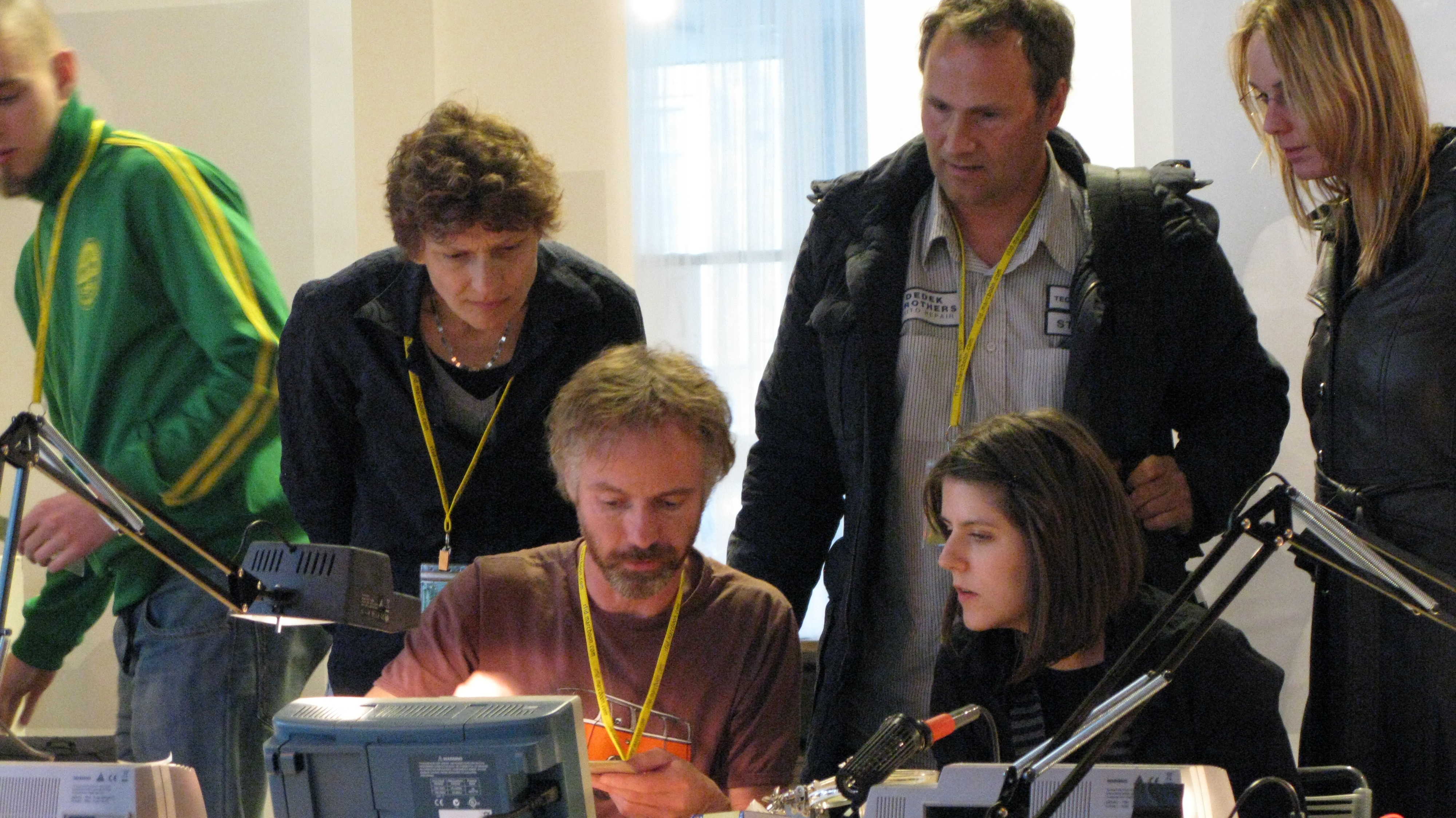
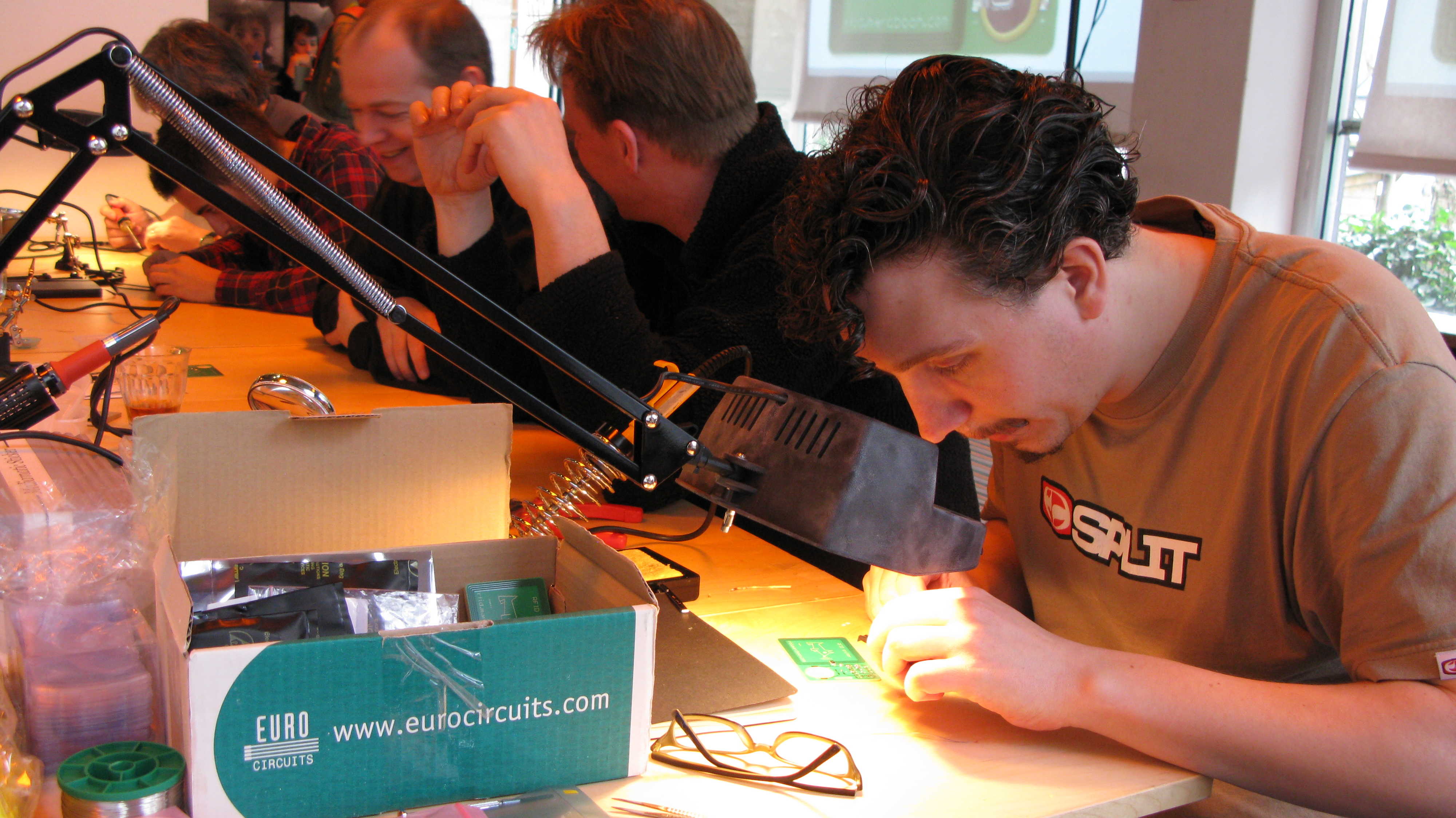
The 15 participants are interesting in themselves. All very keen, but all very different in appearance and in person. Two art students sitting in the far corner, Ferdi and Niels, are here to learn more about the technology and how to incorporate it into their projects. Sitting next to them, and maybe two decades older, is Kees, a film producer who has worked on some projects that used RFID. He uses his iPhone to show me a Dutch advert for Swinxs, a toy for toddlers that uses RFID-technology. At this, Simona chimes in. She is a PhD student researching ‘ubiquitous urban games’ at Limburg University in Belgium.
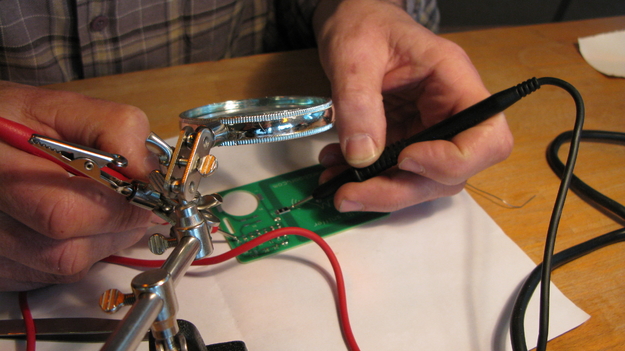
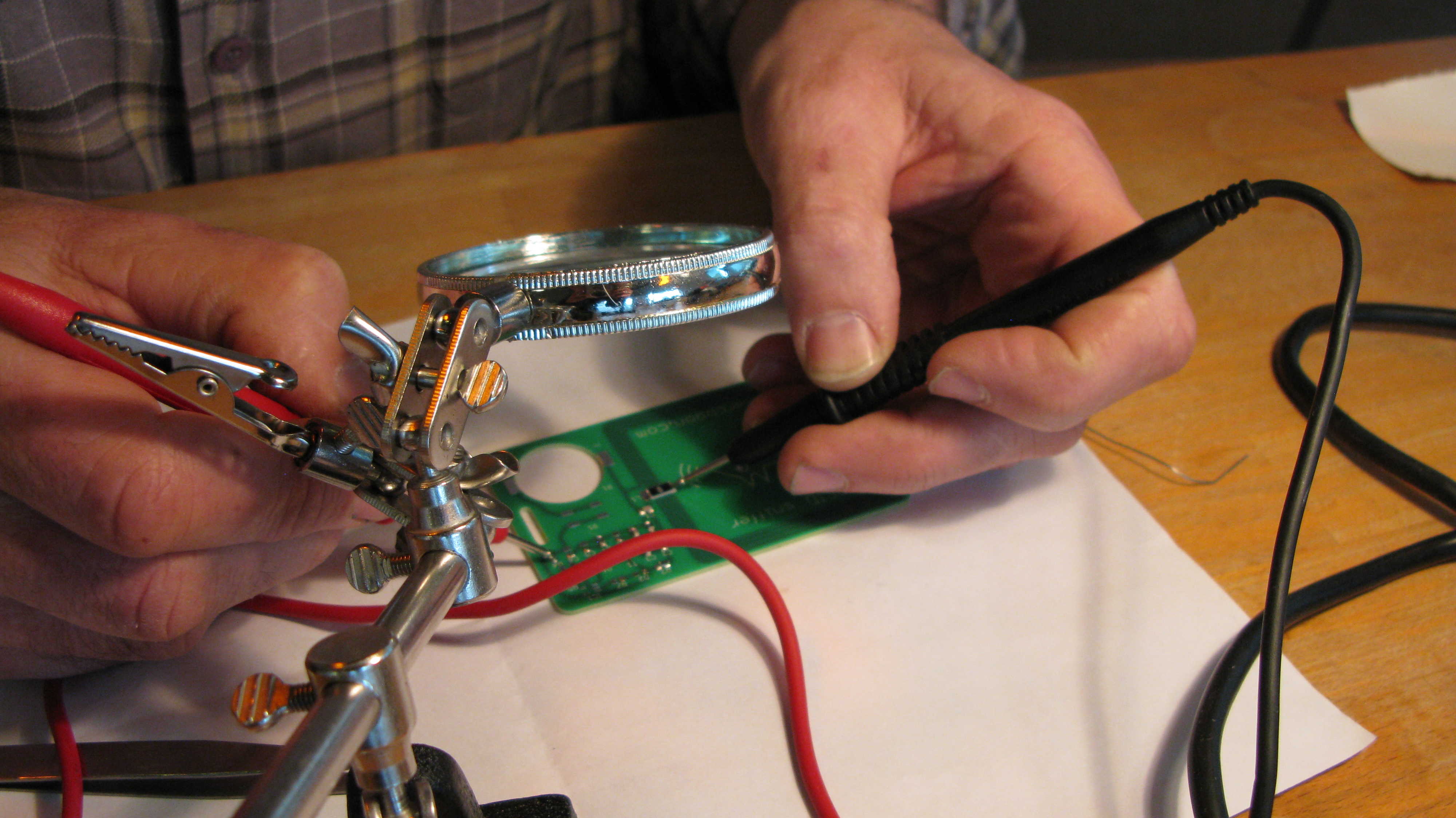
A close look at the sniffer. - Photo taken at the first RFID Sniffer Workshop at Mediamatic.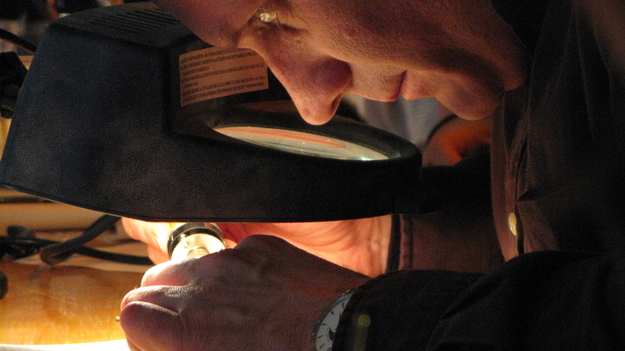
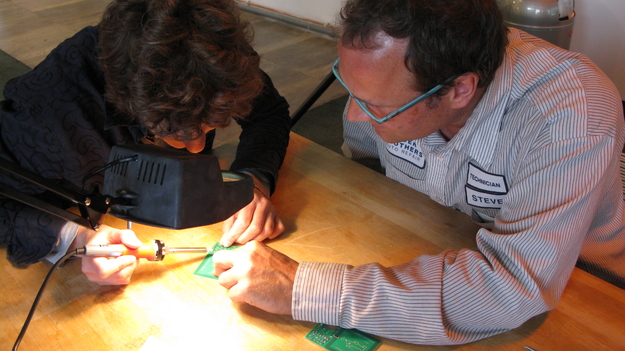
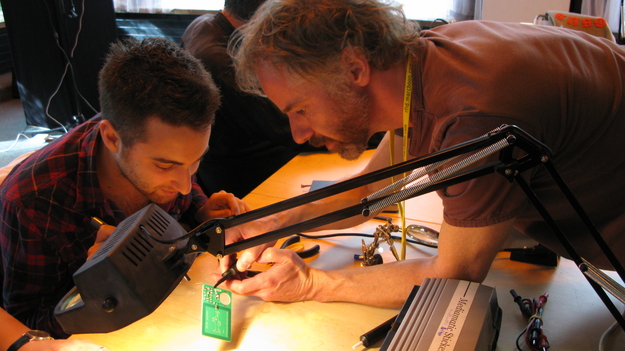
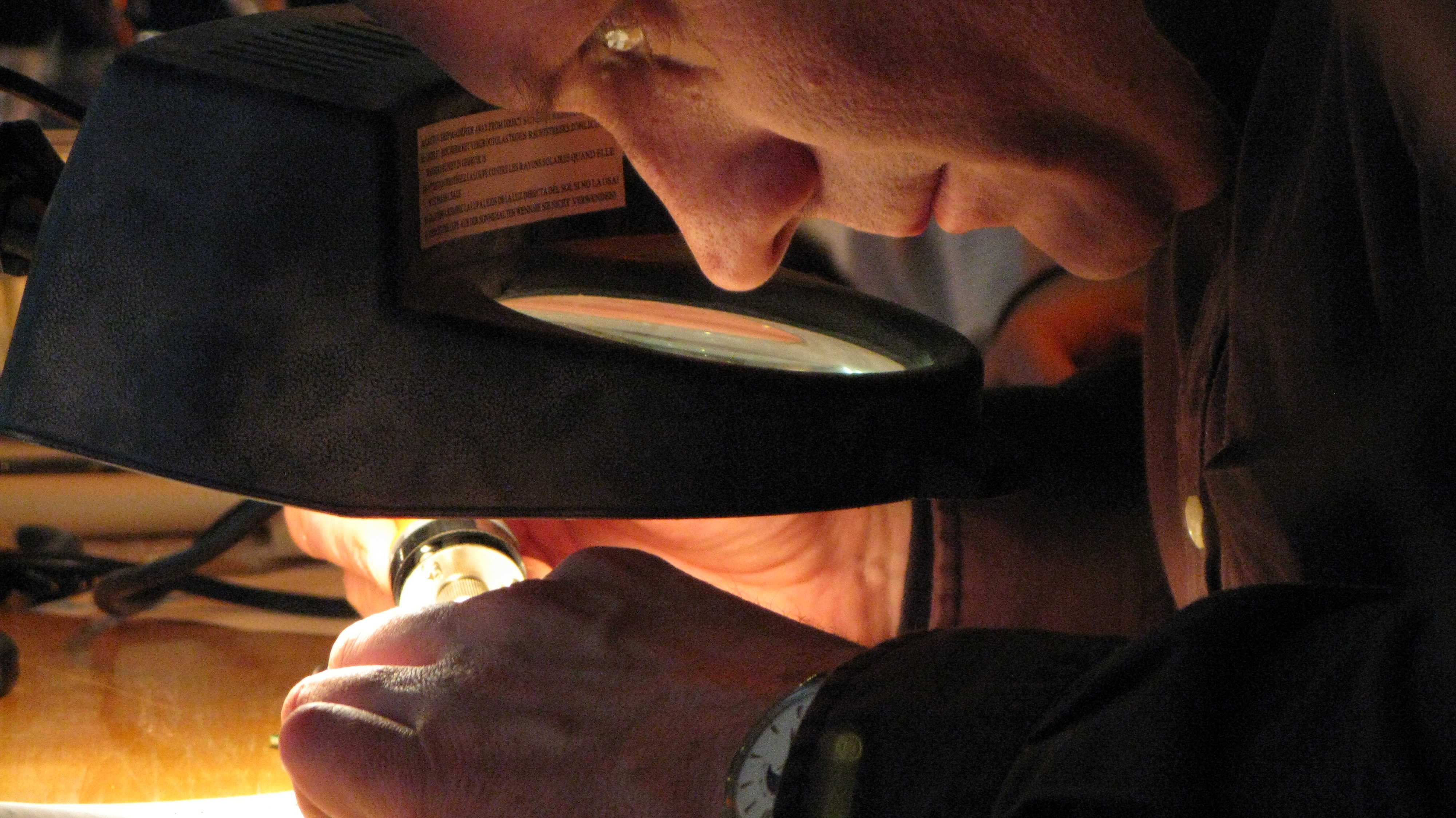
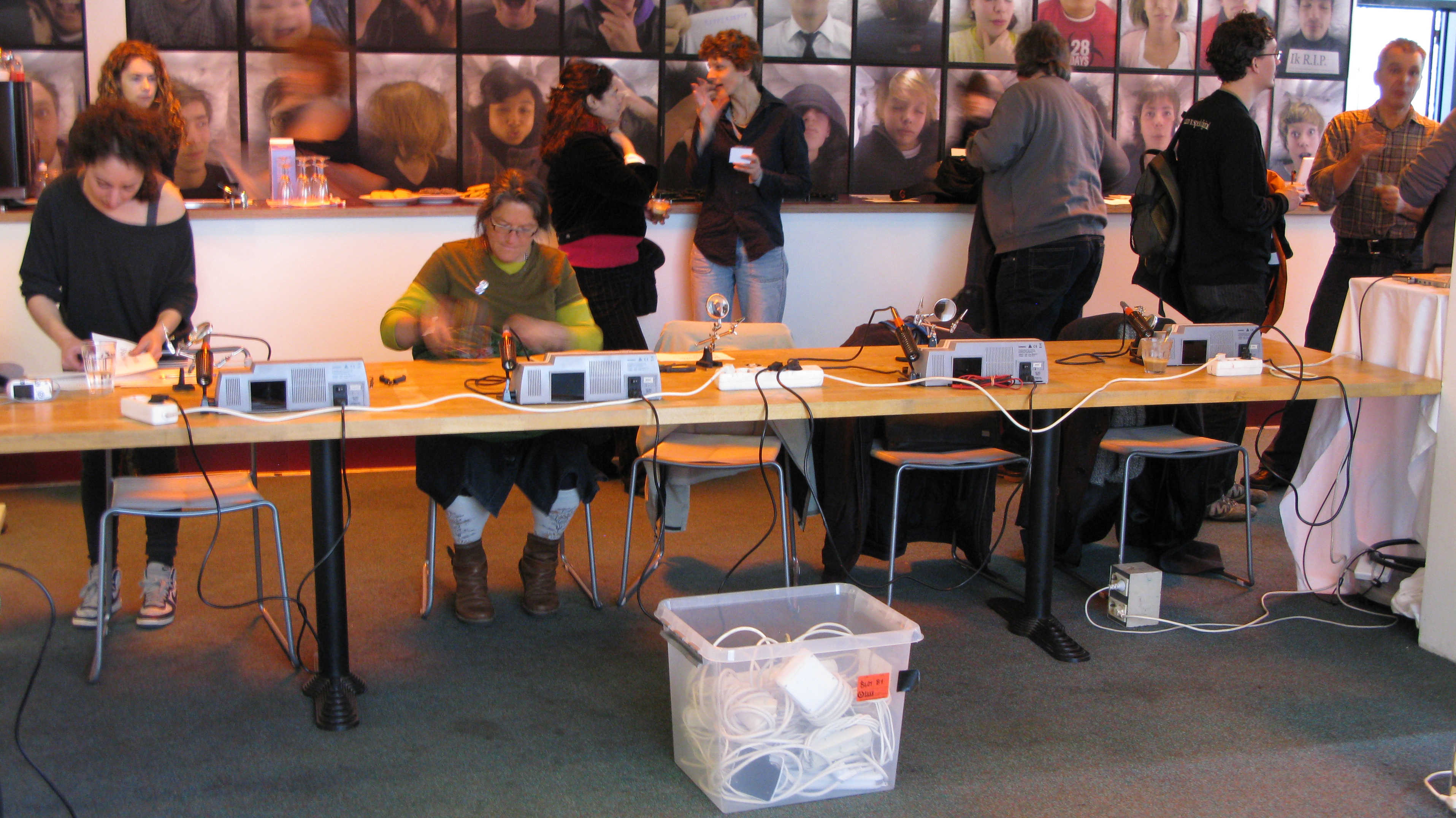
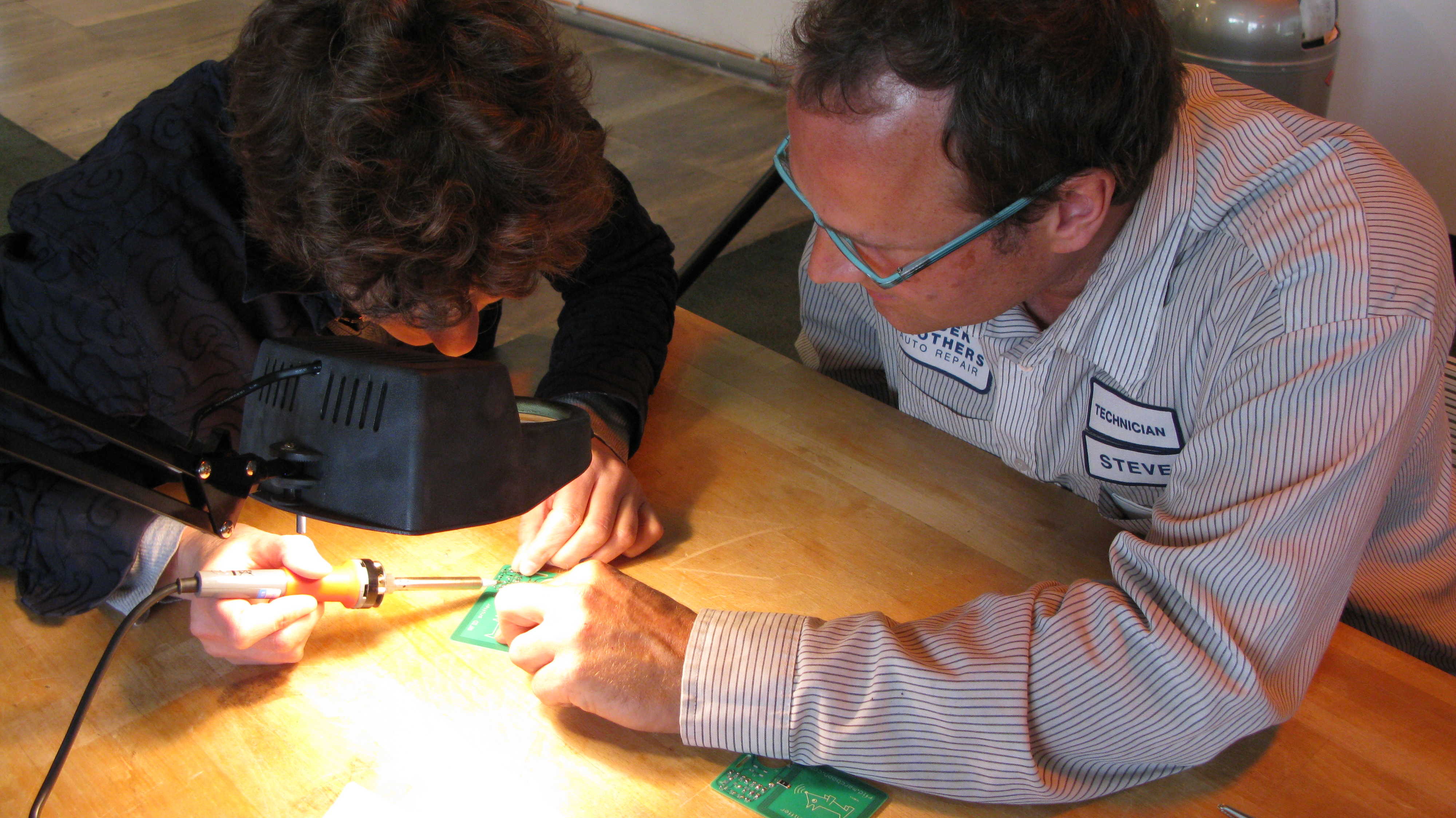
Marc starts the workshop with a quick introduction to soldering. ‘It takes me about 20 minutes to solder all the components onto the circuit,’ he says, ‘but it will take you about an hour.’ Four hours later, Marc was helping me fix my circuit board after I yanked off a bit of it. Within a few minutes, he was done, and by teatime I was out of there with a perfectly functioning RFID sniffer.
What do you do once you’ve discovered cards tagged with an RFID in your wallet? “Some people line their wallet with metal foil, and that’s enough to disable it.” Does that mean I’ll have to walk around with a tin-foil wallet as well as a tin-foil hat? No, not unless you pick up one of Mediamatic’s free stylish RFID-shields.
Review by Matthew Caruana Galizia, participant of the workshop.